What is the difference between the heating circuit and the hot water circuit?
In a house or apartment, water circulates either to distribute heat or to heat sanitary water.
The heating circuit is a closed circuit, which means that the water used in the heating is always the same. It first passes through the boiler thanks to the boiler circulator, then gets heated by the burned gases from the heat exchanger, and continues to flow through the house's piping, from radiator to radiator. Once it has passed through each open radiator in the house, this water returns to the boiler to be heated again.
The hot sanitary water, on the other hand, comes from city water (generally) heated in the boiler through a heat exchange between the heating water and the sanitary water. These waters are never mixed: a sanitary heat exchanger is used, which only transmits the heat from the boiler to potable water used for washing, dishwashing, etc.
How does heat pass through the radiators?
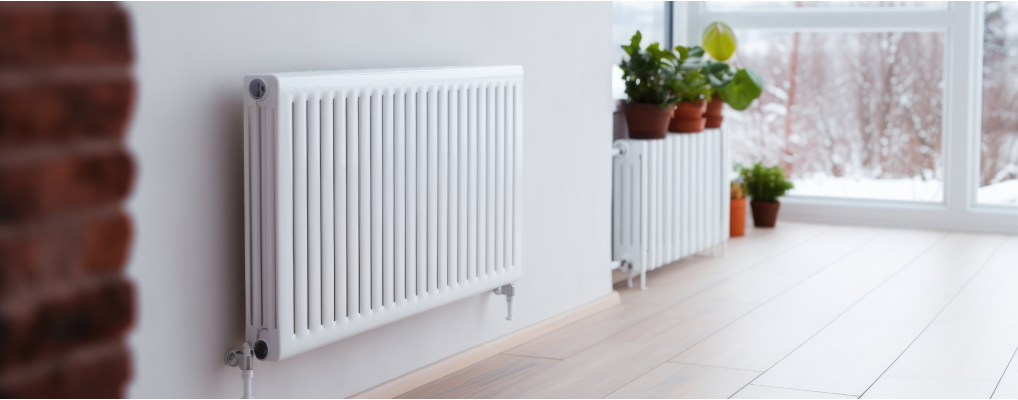
The radiator is a heat distributor, much like a heated floor. Hot water enters through the radiator's inlet, then flows through the radiator's coils. This shape allows it to more easily distribute heat to the surrounding air, as the water takes longer to pass through the coils than to exit in a straight line.
Once the water has left the radiator, it goes to a second radiator to distribute the remaining heat, then to a third radiator, and so on.
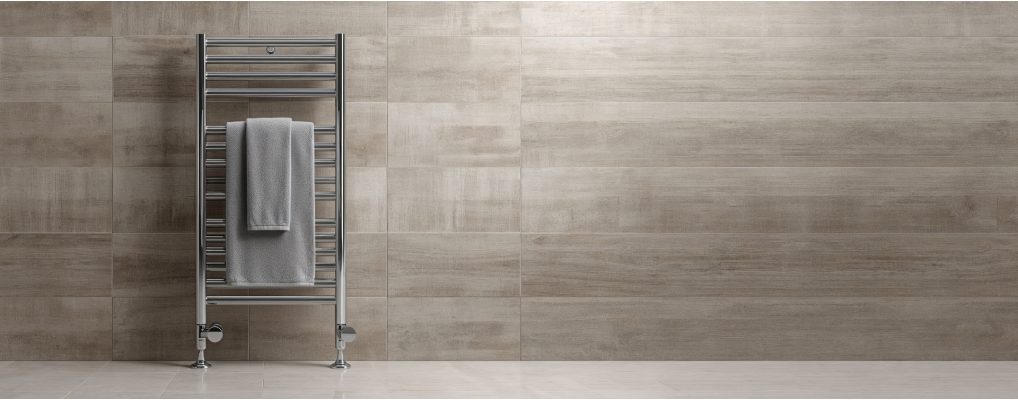
The heat distribution ends at the highest radiator, usually the bathroom radiator. The water then returns to the boiler.
This cycle repeats as long as heating in the house or apartment is needed.
Why does a radiator make noise when water passes through?
In winter, upon the first use of the radiators, a loud clanking can be heard. Similarly, dripping or multiple consecutive clanks can occur.
There are several solutions for this, such as bleeding a radiator, for example.
We have created an article aimed at explaining this phenomenon and how to respond: My radiator is clanking, what should I do?


 Pièces détachées Saunier Duval sur Expertbynet.fr