What is the purpose of a radiator thermostatic head?
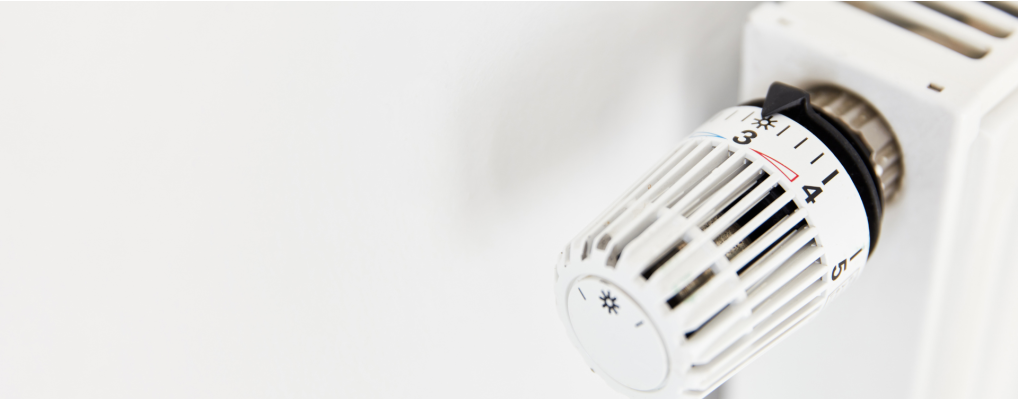
The radiator head is a spare part that regulates heating in the home. The gas or oil boiler produces heat that warms water circulating through the radiators.
Therefore, the radiator valve is essential for temperature regulation. It is generally graduated (from 1 to 5) to open or close the heating valve.
There are several types of thermostatic valve bodies. The angled body allows the thermostatic head to be installed when the heating water supply comes from the wall. The inverted angle allows installation when the supply comes from the floor of the room. The last option is the straight thermostatic body, where the water comes from the wall parallelly.
Tools Needed for Working on a Radiator
To replace a radiator, you will need an Allen wrench to unscrew the radiator cap.
Next, make sure to have a wrench to unscrew the radiator nut and the thermostatic valve fitting.
To avoid leaks when installing a new radiator in place of the old one, it is advisable to use yarn.
How to Unscrew a Radiator?
The first step in unscrewing a radiator is to prevent leaks. You should bleed the radiator after shutting it off (close the valve and the radiator's adjustment tee).
Then, place a basin under the drain valve to evacuate the water from the radiator and do not close the bleed screw.
Next, unscrew the radiator at the fitting and block the water inlet of the radiator after removing it from the wall. This prevents leaks.
When installing a new radiator, remember to position it near a window or a door that leads outdoors. This helps block the cold with the heat emitted by the radiator.
Position the radiator against the wall, then connect it to the water supply. After that, tighten the plumbing to prevent leaks at the connections. You can add yarn to ensure the radiator doesn't drip.


 Pièces détachées Saunier Duval sur Expertbynet.fr