Water Hardness and Acidity (pH)
Sometimes, the pool water can turn cloudy. Several factors can contribute to this: stormy or hot weather, insufficient water treatment, excessive use relative to the pool size, poor pool maintenance, or malfunctioning equipment.
Water quality primarily considers water hardness (TH), acidity (pH), and alkalinity (TAC).
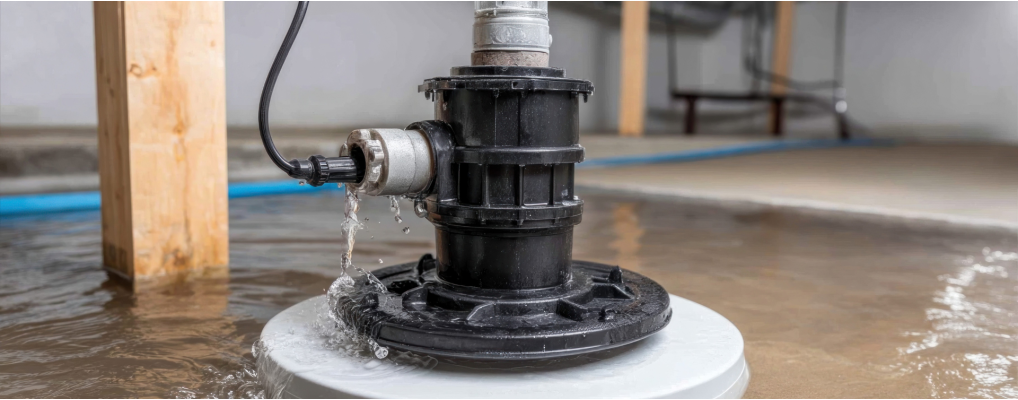
Hard water contains limestone, which can damage the mechanical and hydraulic systems of the pool, including the pump and the pool’s plumbing. The limestone in the pool is just as detrimental as hard water in a water heater! The TH should be between 10 and 20°F.
The TAC of the water, also known as alkalinity, is a collection of carbonate ions and bicarbonate ions. It should not be too low to ensure the stability of the water's pH.
So, what is pH? It measures the acidity of the water in the pool. A good pH is 7. A high pH (above 7) indicates basic water, while a pH below 7 indicates acidic water.
How to Analyze Your Pool Water?
To analyze pool water, whether to determine its hardness or potability, a pool water acidity tester and a water analysis kit for TH are used.
Take the pH strip and dip it into the pool water. The resulting color will indicate the acidity of the water, ranging from 0 to 14.
To check the quality of the water, particularly if it's hard water, use the TH control kit. It contains three reagent bottles (one blue, one clear, and one yellow). You can also use a strip system to test the pool's pH. Similar to testing the water's acidity, the strips are dipped into the water to be tested. The resulting color indicates the hardness level, ranging from very soft water, soft water, moderately hard water, hard water, to very hard water. The calcium and magnesium salt content determines the hardness of the tested water.
How to Analyze Tap Water and Protect Your Plumbing System?
Drinking water treatment is done using the same equipment as for pool water, specifically a hardness test strip or electronic tester, and a pH tester. There are several solutions to ensure you have pure, potable water.
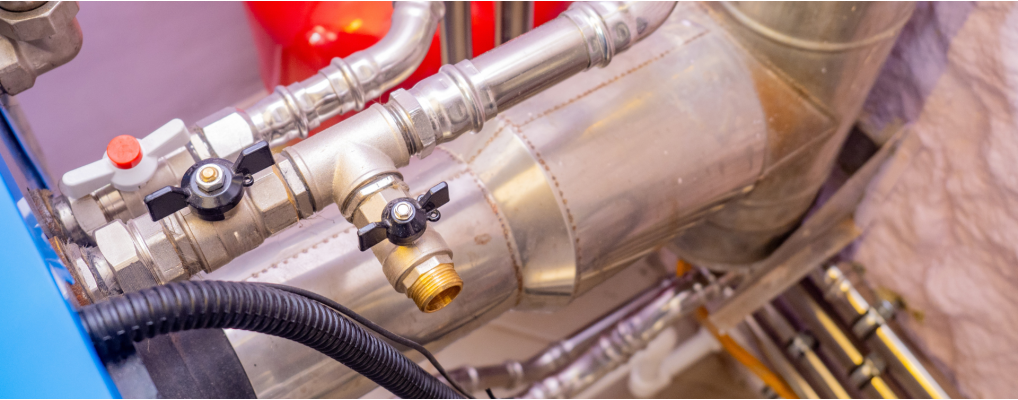
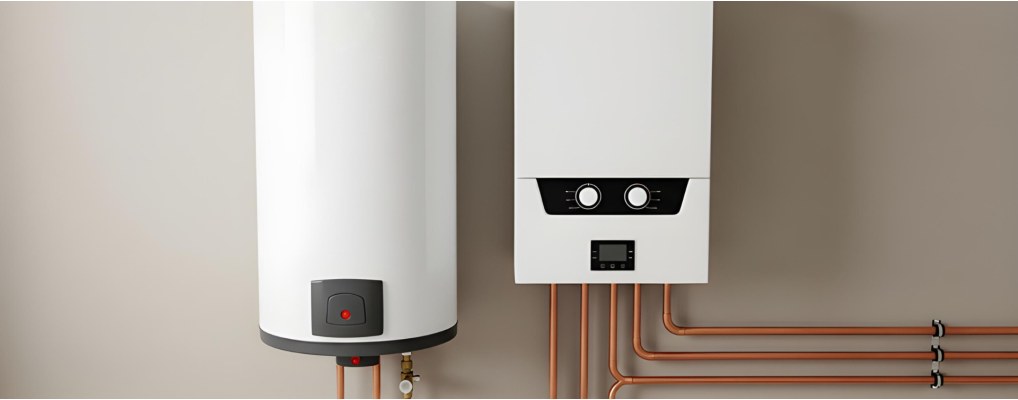
Firstly, for water purification, you can add a lime scale and corrosion filter to your various appliances (dishwasher, washing machine, boiler, etc.) to be installed directly on the plumbing.
Another solution is to add a water softener. Hard water passes through the softener, which contains specific salt and resin, resulting in neutral water at the tap.
If you desire a solution of unparalleled quality, opt for a magnetic anti-lime scale system, which breaks down ions in the water and prevents lime scale formation in the plumbing. This device is both preventive and, over time, curative. It gradually breaks down lime scale already deposited in the pipes.


 Pièces détachées Saunier Duval sur Expertbynet.fr