What is a refrigerant?
In your air conditioning system, a refrigerant gas absorbs and releases heat from inside your home to the outside. This is the only way we have to create cold: by moving heat. The same principle applies to a reversible air conditioner or a heat pump.
This gas is different from what you find in a radiator or a gas bottle, as it is not used as fuel but as a heat transfer fluid (which moves heat). It is expandable and can transition from a gaseous state to a liquid state without losing quality, as long as it is in a closed system.
In other words, the refrigerant never escapes from the air conditioner. It is contained within it. Unlike water, its evaporation temperature is very low! It typically evaporates at around -40 to -50°C, depending on its composition. Water, on the other hand, evaporates at 100°C at atmospheric pressure. That’s why it is easier for the refrigerant to absorb heat from a room than for water, and therefore easier to expel it.
Its properties make it a cost-effective refrigerant for the air conditioning compressor and a good alternative to a simple fan.
The Regulation of Refrigerants
Despite the characteristics of refrigerants, they are not without consequences. When released into the atmosphere, and thus evaporated, they escape to the ozone layer and contribute to its depletion. That’s why they are heavily regulated, both for car air conditioning and for refrigerator gas or reversible air conditioning.
Only a certified technician, an air conditioning expert equipped with specific tools for air conditioning, can work on an installed air conditioner or heat pump. Their actions must adhere to safety regulations to prevent any refrigerant leaks.
Furthermore, the most polluting refrigerants are no longer permitted. The same goes for older air conditioning or heat pump systems: an air conditioning technician cannot service a system containing R22, for example.
Which Refrigerant for Air Conditioning?
When you buy an air conditioner, whether it’s an air-to-water heat pump or a reversible air conditioner, be sure to choose the right refrigerant. R407C, R134A, and even R410A and R404A are still allowed, albeit polluting. They are much less polluting than older refrigerants; however, new solutions are emerging with more eco-friendly refrigerants: R32.
This refrigerant for air conditioners and heat pumps is recommended if you plan to change your air conditioning system. For other refrigerants like this one, Expert By Net can help you find the right air conditioning spare part that could revive your system. But be cautious, you will need to contact a technician for installation!


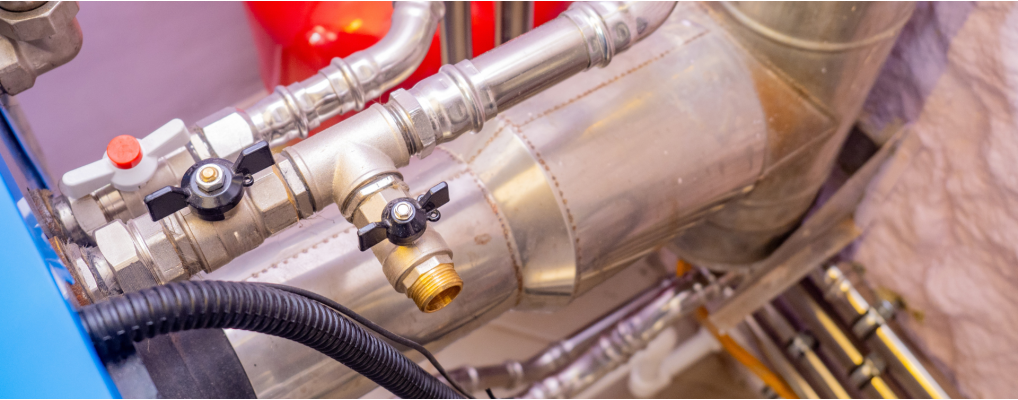


 Pièces détachées Saunier Duval sur Expertbynet.fr