Why is my air conditioner leaking?
No matter what air conditioning system you have at home, the operation is always the same; that is, the air conditioner expels heat by alternating between two phenomena: condensation and evaporation.
The heat from inside the home causes the refrigerant in the air conditioner or heat pump to evaporate by absorbing heat. Then, the air conditioner's compressor heats the refrigerant even more within the air conditioner's piping. Finally, the heat is expelled outdoors to cool the air conditioner's piping, creating the condensation phenomenon. It's outside, so it's not a problem, right?
That's partly true! Because this condensation phenomenon also occurs at the indoor unit of the air conditioning system when the ambient air passes through the air conditioner's fan and air vent. At that moment, the air loses heat and partly falls as small droplets. This water is condensation! And it needs to be expelled with a condensate pump associated with a condensate neutralizer.
How to expel condensate from the air conditioner?
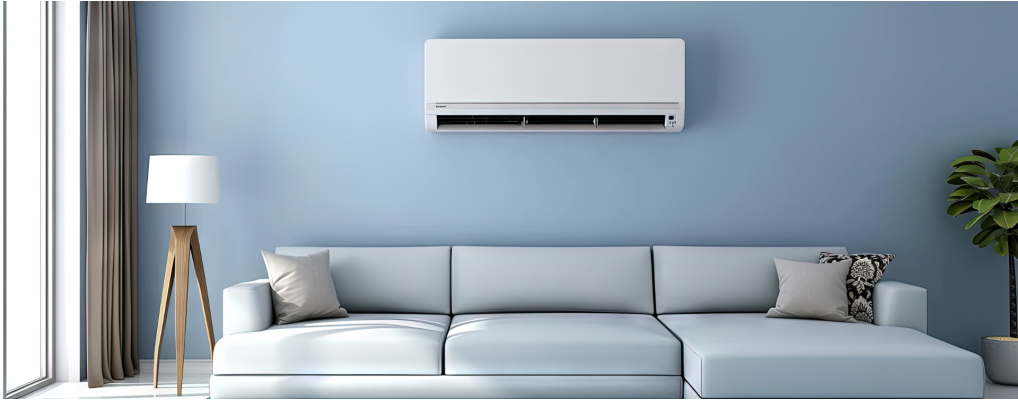
At the outlet of the wall-mounted or cassette air conditioner, a drainage trough collects the condensate from the air conditioning to bring it to the condensate pump or to the sewer.
This drainage trough is not necessarily included; however, you will often have a condensate tray in the heat pump or air conditioner you have at home. This tray collects the condensed water from the air conditioning, but beware! When it gets too full, the drainage trough becomes necessary!
The condensate pump can absorb a certain amount of condensate water based on a given discharge height. Do remember to clean it from time to time! Because condensed water can be dirty water, it's necessary to maintain it to avoid a leak in the air conditioner.
Together with the drainage trough, the air conditioning condensate lift pump can be mechanically or electrically detected, or even contain a tank for neutralizing the condensates.
Why neutralize air conditioning water?
The condensed water from the wall-mounted or fixed air conditioner does not have a neutral pH and can harm your home. For example, leaking condensed water on the walls can increase humidity and degrade the house. Hence the importance of disposing of air conditioning condensates.
Once the drainage trough and condensate pump are installed, it is crucial to expel the wastewater from the air conditioning to avoid leakage or overflow. During expulsion, it must pass through a condensate neutralizer, similar to that used for condensing boilers, which restores the neutrality of the liquid to be disposed of outside or in the sewer. To do this, install a neutralizer with a tank so that it can absorb enough liquid and add neutralization pellets.
Great! Now your air conditioning setup is ready; you can now set up your hammock in your living room and sip a nice cocktail in a coconut. Why go outside when you are so comfortable at home!



 Pièces détachées Saunier Duval sur Expertbynet.fr