The existence of the human race depends on one of the rarest resources in the world: water. Indeed, humanity could not truly exist without it. Access to potable water has become a vital necessity for all beings. It is therefore essential to find suitable ways to access water. With the sole aim of turning this dream into reality, various processes and standards have been developed through plumbing. Today, it is easy to turn on a faucet to access water in a building (office, kitchen, bathroom, shower...). But what can we learn about plumbing?
What is plumbing?
Specialized knowledge of a building mechanical engineer or typically a plumber, plumbing is a discipline that involves all the processes and techniques in place with the sole purpose of allowing the free flow of any liquid through pipes to a faucet. Regardless of its location in the building (kitchen, shower, bathroom, toilet...), it enables a smooth supply of drinking water. The various processes and techniques related to plumbing are constantly evolving since their inception.
Plumbing, in addition to being a field requiring multiple skills, is also about installing a rather complex network that facilitates the adequate distribution and evacuation of water within a building. However, there are rules and standards governing it.
Plumbing Rules and Standards
As is recommended in every field of expertise, there are also rules and standards in plumbing: what category of faucet to use in the bathroom or shower? The rules and standards are specifically documented in the Unified Technical Documents and take public markets into account. Conversely, private markets are generally executed through private agreements.
The Unified Technical Documents encompass the calculation methods and application of construction and renovation works in a building. Thanks to the existence of these documents, every plumber knows there are rules and standards to comply with while executing their work. The most important standard involves the calculation notes for diameters. It helps plumbers determine which pipe is suitable for a given use. Therefore serving as a reference in construction and insurance, the UTDs must be appropriate for all professionals.
Areas of Plumbing Intervention
In plumbing, there are three areas of intervention:
- Sanitary plumbing, which encompasses everything from supply to the production of hot water (shower) and wastewater evacuation. It also includes all sanitary installation: faucets, pipes, pressure reducers, booster pumps...
- Sheet metal work, on the other hand, groups all water collectors and evacuators. This includes, among other things, roofing, gutters, pits, and drains.
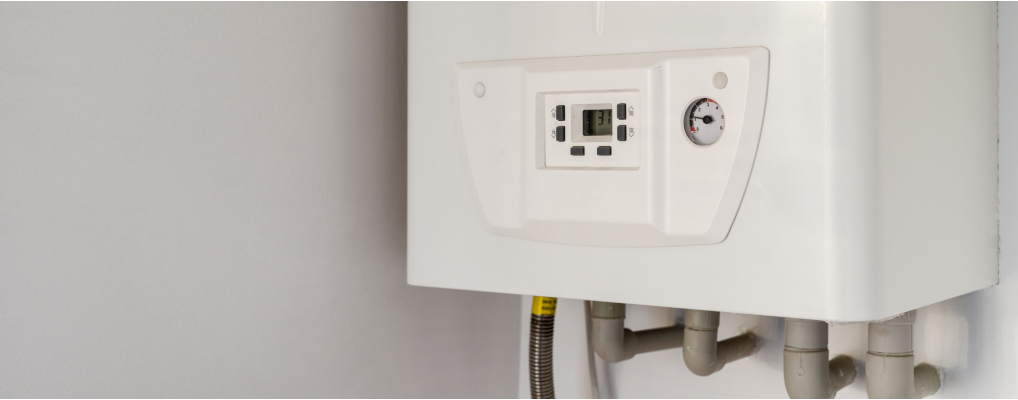
- Central heating includes all heating installations. It mainly focuses on gas heating, which requires distinct knowledge and techniques.
Moreover, to excel in these areas of intervention, plumbers are required to use certain plumbing tools.
Tools Used in Plumbing
The quality of a plumber's work is determined not only by the training they have received but also by the plumbing tools they possess. Thus, these tools are categorized as follows:
- Measuring tools: primarily for taking measurements. In this category, one might find: tape measure or folding ruler, pressure gauge, pencil, manual or electric test pump...;
- Crimping tools: very useful for assembling two elements. These are typically pliers;
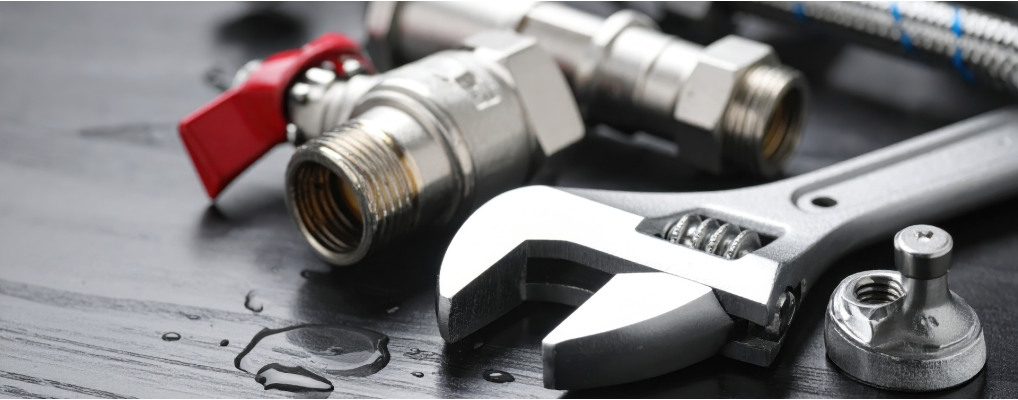
- Screwing and tightening tools: used to reinforce installations. These include screwdrivers and wrenches (adjustable and ratchet);
- Cutting tools: generally used for pipes and metals. This includes cutting pliers, hacksaws, deburring tools, and tube cutters;
A discipline encompassing methods and techniques that facilitate the free flow of fluids, plumbing proves to be very important in any installation starting from the general supply to the destination area (kitchen, shower, bathroom...) passing through the faucet.



 Pièces détachées Saunier Duval sur Expertbynet.fr