To maintain a comfortable temperature when the weather is particularly cold, boiler combustion becomes necessary. The burner is the basic component for this, so let's discuss it.
How does the burner work?
The operation of the boiler burner is straightforward. It is an assembly of mechanical parts that produces heat through the mixing of fuel and an oxidizer. This mixture naturally results in combustion. The burner is capable of withstanding very high temperatures. It includes an injector and a fuel pump. The latter supplies the boiler with fuel, which is stored in the tank. The fuel heater serves to make it much more fluid to facilitate combustion.
Fuel typically becomes viscous. This viscosity is due to the storage temperature of the tank as well as the inherent properties of the fuel. The burner's electrodes, in turn, ignite the flame using the sparks they produce when activated. More specifically, the burner's operation is divided into several sequences:
- In the first step, the pre-ignition, which is the powering of the transformer. Then, fuel is sent to the nozzle (ignition).
- The next step involves maintaining a consistent spark long after ignition to stabilize it.
- After post-ignition, the ignition circuit is deactivated. At the end of use, the solenoid valve and fan are turned off, and the burner is then powered down.
Operation of the Boiler
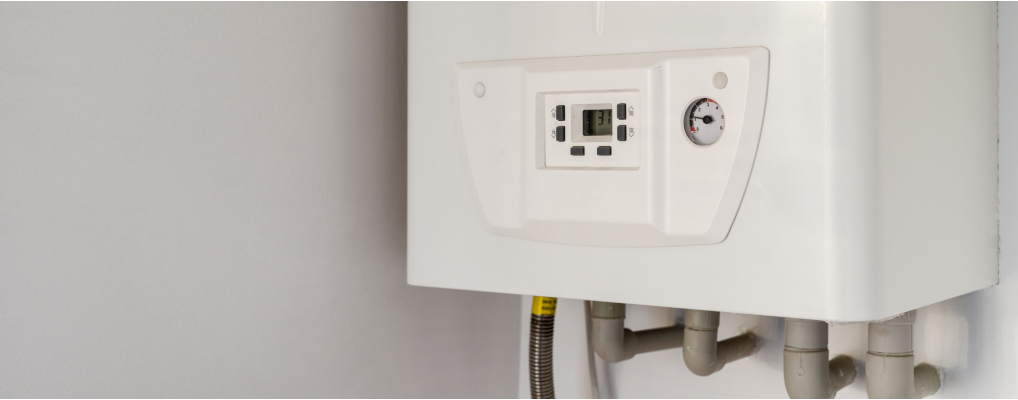
Initially, during the industrial era, the boiler referred to a hearth and its heat exchanger. It was used in steam engines or steam locomotives. Today, it denotes a device that consistently transfers thermal energy via a fluid capable of transporting heat (heat transfer fluid). Regardless of the heat source, the boiler allows for its transfer. Therefore, depending on the origin of the source, we distinguish combustion boilers (those with a burner), electric boilers, etc.
As a DIY enthusiast, one might wonder if it's possible to install one oneself. This task requires precise adjustments that are crucial to ensure optimal safety. However, sometimes your boiler may malfunction, and you might be tempted to tinker with it to get it back on track.
The fundamental component of the boiler is the burner, as mentioned previously, which allows for adequate combustion. Next, we have the heating body. This refers to the location where heat is produced to then be transmitted to the fluid. Then comes the pilot light; it is responsible for delivering the gas required for combustion to the hot zone of the boiler. Its role is to enable the burner to produce combustion. The safety valve, on the other hand, is a component that ensures the operation and safety of the system by regulating pressure.
The boiler is currently used in industry and is also a part of our daily lives, particularly the combustion boiler equipped with a burner. Knowing its components makes the DIYer's job easier in the case of minor breakdowns.


 Pièces détachées Saunier Duval sur Expertbynet.fr