Oil heating is a combustion system. It is a method of heating that requires the use of flammable substances derived from crude oil to produce energy. Despite the emergence of natural gas heating, many French people still have a oil boiler, either by choice or simply because their financial situation does not allow them to switch. This system, still appreciated by many users, comes in several forms and has its advantages and disadvantages.
Different Types of Oil Heating
There are several types of oil boilers. They include:
- Traditional boiler
- Condensing or very low consumption boiler
- Low-temperature boiler
- Balanced flue or forced flow boiler
- Electric boiler
- Floor-standing boiler
Principles of Oil Boiler
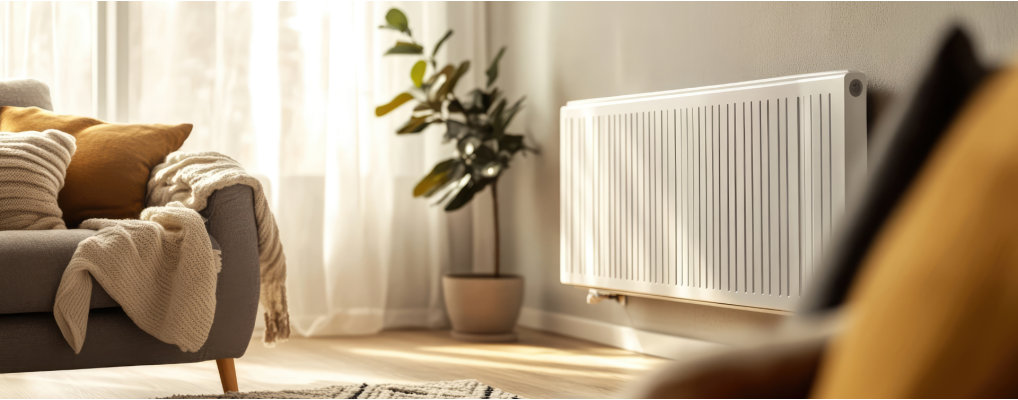
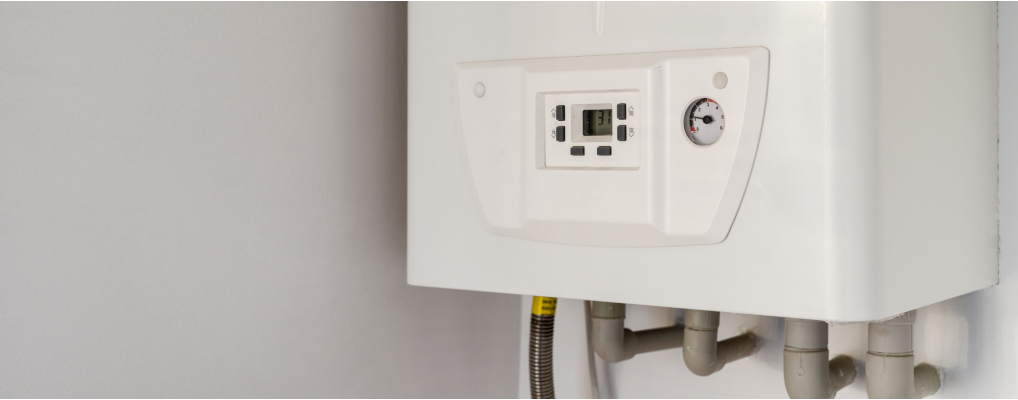
Also known as fuel oil, oil is burned in a hot water generator. Specifically, from a tank, the fuel oil supplies a device called an oil boiler, which in turn transfers its heat to a heating circuit. This circuit supplies radiators or emitters. The heated water is sent as steam through the ducts or pipes of the building to warm the intended rooms in winter. This system requires equipment like:
It is important to plan the location, supply, and storage in advance before installing the heating system. The tank can be installed underground, hidden behind a mass of trees, or even placed above ground.
Advantages
Oil heating is a reasonable and smart choice for homes that are not connected to natural gas, as long as there is enough space for installation. It allows for significant energy savings. Recent improvements in newer models help limit the emission of polluting gases and offer the possibility of complete removal of sulfur from the air in a shorter time than older oil boilers. It is not dangerous for the family as it is not flammable. The oil boiler is also easy to maintain. Once set up, you only need to have the tank filled once or twice a year, depending on demand, and carry out mandatory annual maintenance (the cost of this maintenance can vary from around €130 to €200). This system also has economic advantages since with oil, you don't pay a subscription, only for consumption. It also represents a solution for comfort, as the heat produced by the domestic oil spreads and dissipates gently and evenly. In addition to all the benefits of this system, it is worth noting that it is an easily accessible energy source, depending on the time of use.
Disadvantages
While it has several advantages, there are some disadvantages to using an oil boiler. These include:
- Bulky installation: This is one of the main drawbacks of the oil boiler as it requires space for installation. The tank is very large and stores the fuel, occupying about 2 to 3 m². The boiler is also bulky and, unlike gas models, is installed either on the floor, in a garage, or in a laundry room.
- Toxicity: Despite the reduced time it takes for sulfur to disappear and the quality of new products, the oil boiler remains toxic and polluting, especially older models that do not have the new improvements to limit pollution.
- Health risks: Most often, oil tanks are installed in basements, cellars, or garages. Many people are not aware, but it is important to know that this is a health risk for residents because hydrocarbon vapors pollute the indoor air and can cause severe lung damage.
- Fluctuating oil prices: Dependent on oil prices, it is difficult to accurately predict oil pricing over several months or years.
- Cost: Compared to gas boilers, oil boilers are much more expensive.
Oil heating has been used to warm homes in winter for several years, and it persists even with the emergence of natural gas boilers. However, even with all its advantages, it is not without considerable disadvantages.


 Pièces détachées Saunier Duval sur Expertbynet.fr