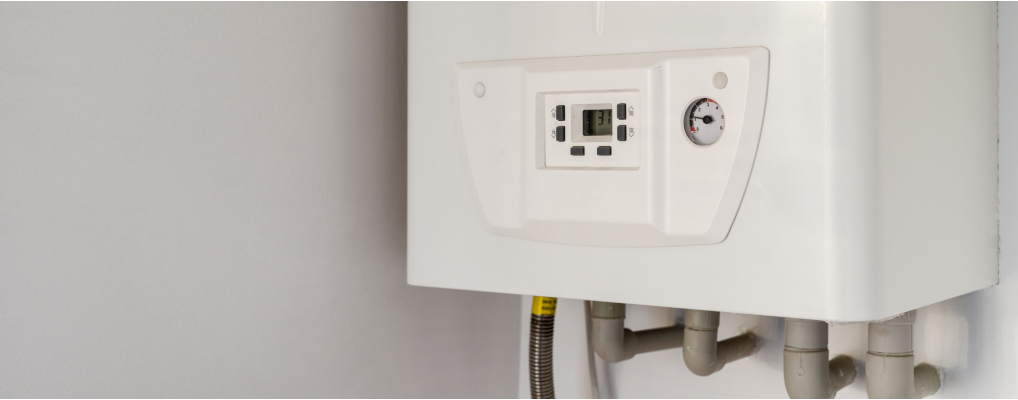
The water heater is a device used to heat domestic water and to send it to radiators. It can be either instantaneous or storage (cumulus) and can be installed on the floor or on a wall. The water heater not only heats water but also has its temperature based on its latency flow rate. The water in the water heater is heated using an electric resistance, which automatically cools down when not in use, thus consuming more electrical energy.
The Water Heater and the Boiler
- The boiler: this is the most important component of the water heater. It can be wood, gas, or oil fueled. Various types of boilers are in development and are gradually being deployed. These include condensing boilers that can recover steam from flue gas ducts, low-temperature boilers that operate with water at 40 degrees Celsius instead of 90. The cogeneration boiler is gaining popularity in France but remains less common.
- The hot water tank: regardless of the model, the operation is always the same. It is available in both gas and electric models. It stores water through accumulation and takes a certain time to reheat it.
Different Types of Water Heaters
Several types of water heaters can be distinguished, namely:
- The electric water heater, which can be installed anywhere in your premises as long as the installation complies with safety standards. There are three types of electric water heaters:
- The storage water heater, also known as a cumulus: it consists of a tank, a resistance, and an electric thermostat. The water is heated in 6 hours, and you save energy if you have a time-of-use electricity plan.
- The instantaneous water heater: hot water is produced on demand but is not stored in the tank. This appliance has the advantage of serving as a supplementary device.
- The low-capacity water heater: it has a continuous operation and is regulated by a thermostat. It has a low capacity but can heat water in a relatively short time.
- The solar water heater: it can cover 70% of the water needs for a family of 4 and about 40% of heating needs over a year. There are three types of solar water heaters:
- The thermosiphon with separate components: it operates similarly to the monobloc, but here, the tank is 50 cm away from the collectors.
- The monobloc: the tank is located above the device, which has external collectors and a reservoir.
- The water heater with separate components: it has separate collectors and tank, which can even be placed on the roof.
- The thermodynamic water heater: it can be an alternative to the solar water heater. Its principle of operation is quite simple. It has a heat pump that heats the water.
All these heating devices must be installed by a heating expert because installation standards must be strictly adhered to.


 Pièces détachées Saunier Duval sur Expertbynet.fr