In order to establish a comfortable temperature for the residents of a home, several types of mechanisms are planned. These may be thermal, electric, solar... Among the most efficient heating options, the electric radiator proves to be a reliable means of implementing and maintaining a comfortable climate in a home. It has numerous advantages for users who desire both comfort and minimal consumption. What types of electric radiators are available? What are their advantages?
The electric radiator: what is it?
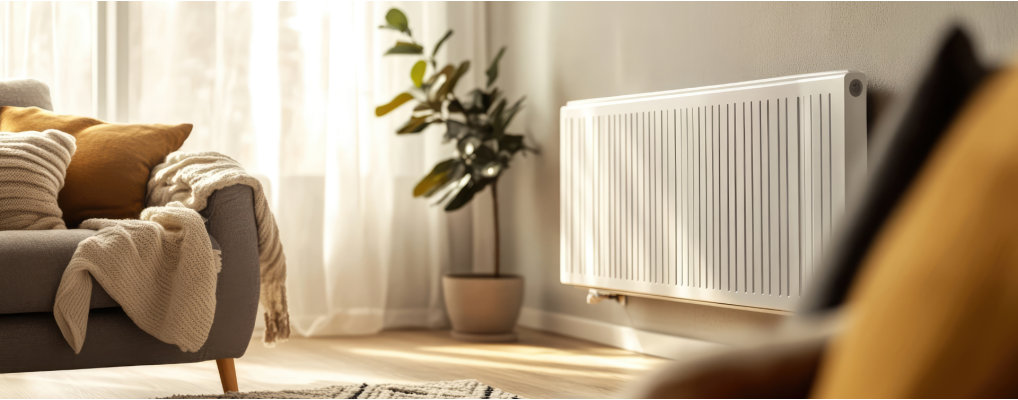
The electric radiator is an electrical device designed to serve as the primary or secondary heating source for a home. It can be mounted according to individual design preferences (at the bottom of the wall, elevated, or on its legs). With the electric radiator, users can quickly achieve the desired warm sensation. This sensation depends on the various models available on the market.
Considering the advancements made in the electric radiator, it is regarded as one of the most efficient heating systems. However, it’s important to note that the electric radiator is recommended for well-insulated homes that have a good ventilation system.
Types of electric radiators
Several factors (power, location, size, options, design, and installation) need to be considered when installing an electric radiator in a home. The different types of radiators do not produce the same air quality. Therefore, each type has its own characteristics:
The convector radiator
The first generation of electric radiators, the convector radiator, was created in 1970. This device was designed with a steel casing and a heating element that warms the fresh air. The air enters the device from the bottom and exits heated from the top. The heat released is not uniform and may contain dust. The electricity consumption of the convector radiator is quite substantial.
The inertia or gentle heat radiator
This category is the most favored by the French due to the heating core or heat transfer fluid it comprises. Initially, heat is stored in the fluid or core before being distributed throughout the home. They are characterized by their rapid heat emission with minimal consumption. The heat released is uniform and dust-free. This distribution continues even when the device is turned off. However, they should not be installed in bathrooms for just any use.
The radiant radiator
Also known as a radiant radiator, this type is as popular as the previous ones. It is equipped with an internal plate protected by a honeycomb grid that is heated by a resistance installed for this purpose. This device radiates heat to other elements, which also warm the surrounding air. For precise temperature regulation in the home, it includes an electric thermostat. The operation of this type is based on thermal radiation.
Despite the fact that not all categories of electric radiators provide good air quality, they still find their place in home renovations. The installation does not require a large budget like other heating systems.


 Pièces détachées Saunier Duval sur Expertbynet.fr